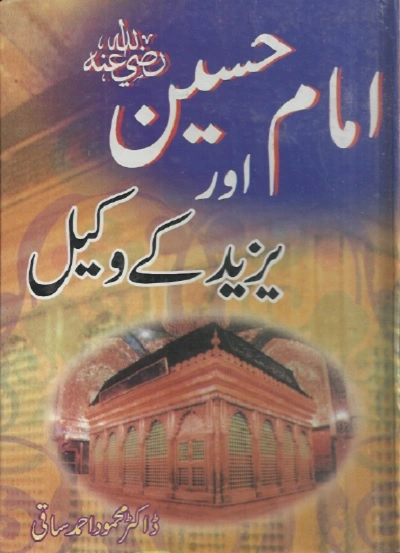
| Book Name | Imam Hussain Aur Yazeed Ke Wakeel |
| Writer Name | Dr. Mehmood Ahmad Saqi |
| File Size | 6.80 MB |
| File Type | PDF Format |
| Download Option | Available |
| Read Online | Available |
The tragic incident of Karbala stands as a defining chapter in Islamic history, continuing to provoke deep theological, political, and academic discussions across generations. Among the modern critical research literature produced on this subject, the compilation titled Imam Hussain Aur Yazeed Ke Wakeel Urdu Pdf occupies a notable space.
This book aims to address and break down the historical defense arguments, modern apologetic theories, and revisionist narratives that attempt to justify or soften the political actions of Yazeed bin Muawiyah. By evaluating classical records and contrasting them with contemporary debates, this publication serves as an essential digital asset for students of Islamic history who wish to analyze the arguments presented by both sides of this deeply rooted historical conflict.
About the Author
This analytical work was compiled by the well-known religious scholar and researcher, Dr. Mehmood Ahmad Saqi. Known for his extensive academic background and thorough investigation into early Islamic conflicts, the author has spent decades exploring manuscripts, historical chronicles, and sectarian discourses.
His primary research focus lies in identifying theological deviations and political revisionism within modern Islamic literature. Rather than relying on emotional prose or unverified public folklore, the author maintains an investigative methodology, ensuring his conclusions are rooted firmly in classic historiography and early Arabic reference works.
Summary of Imam Hussain Aur Yazeed Ke Wakeel Urdu Pdf
The core objective of the text is to examine the specific arguments put forward by scholars and writers who act as modern apologists or defense advocates for Yazeed’s administration. The narrative carefully traces the political transition of the Umayyad dynasty, the refusal of Imam Hussain to pledge allegiance, and the chain of command that culminated in the tragedy of Karbala.
The book systematically analyzes contemporary publications, articles, and lectures that try to absolve the political leadership of that era from the responsibility of the massacre. By comparing these modern claims with the writings of early authority figures, the compilation presents a point-by-point rebuttal of the revisionist claims.
Major Themes of the Book
The author structures the research around several key academic themes to keep the text structured and objective:
-
Critique of Historical Apologetics: A direct inspection of the arguments used by those who attempt to defend or minimize the governance choices of Yazeed.
-
The Concept of Political Allegiance: Exploring the theological definition of Bai’at and why Imam Hussain viewed his stance as a moral obligation rather than a simple political rebellion.
-
Authenticity of Early Islamic Chronicles: Analyzing the reliability of early historians like Ibn Kathir, Tabari, and Ibn al-Atheer regarding the specific orders issued during the crisis.
-
Deconstruction of Revisionist Literature: Identifying how specific modern sub-sects and political movements try to alter established historical views on early Islamic leadership.
Message and Moral Lessons
The book delivers a profound moral lesson centered on the value of ideological integrity over political compromise. It emphasizes that history must be studied with complete honesty, without twisting facts to fit modern sectarian agendas. The text teaches readers that defending oppression, tyranny, or structural corruption under the guise of maintaining political stability goes against the core ethical values of Islamic governance. The moral takeaway is that justice demands acknowledging historical wrongs, and the ultimate sacrifice of the Prophet’s grandson remains a timeless standard of standing up for truth.
Impact of the Book
Upon its publication, this work generated intense discussions among religious circles, universities, and public forums in Pakistan and India. It successfully provided a scholarly shield against a growing wave of digital literature that sought to rewrite the events of Karbala. By presenting a structured, heavily referenced counter-argument, it gave mainstream researchers the necessary tools to address complicated questions raised by revisionist speakers. Today, it serves as a critical reference book for anyone attempting to write a thesis or understand the deep intellectual crosscurrents surrounding early Umayyad history.
FAQs
What is the primary objective of the Imam Hussain Aur Yazeed Ke Wakeel Urdu Pdf?
The primary objective of this book is to critically analyze and counter the historical arguments made by modern apologists who attempt to justify or defend the actions of Yazeed bin Muawiyah against Imam Hussain.
Who wrote this historical research book?
This book was written and compiled by the reputable religious researcher Dr. Mehmood Ahmad Saqi.
Is this book written from a purely emotional viewpoint?
No, the text is an academic and investigative work that relies heavily on references from classical Islamic history, early source texts, and comparative literature analysis.
Conclusion
The study of early Islamic conflicts requires a careful balance of authentic referencing and structural analysis, qualities that are clearly demonstrated within the Imam Hussain Aur Yazeed Ke Wakeel Urdu Pdf.
By thoroughly addressing the claims of historical apologists and contrasting them with established truths, this compilation protects the core legacy of the Karbala sacrifice from modern revisionism. For readers seeking an objective, evidence-based understanding of the political debates surrounding this era, downloading and reading this analytical text provides exceptional clarity and historical depth.